My last post on this site was 4 March, and what a topsy turvy time we’ve all had in the days since then!

To think that just a couple of months ago most of us had never heard of coronavirus – now tens of thousands have lost their lives to Covid-19, and hundreds of thousands across the world have been stricken with the virus.

Distancing at the take-away coffee shop
Surely ‘social distancing’ will have to be the phrase of the year if not the decade.
In this not so brave new world, individuals, small businesses and corporations have had their lives turned upside down.
For writers, it’s sad to see bookshops struggling to survive as shoppers’ movements become restricted, because we know how much we depend on them to keep the printed word in front of readers.
A couple of independent local bookshops in my hometown of Brisbane have responded in innovative ways. Riverbend Books, where I launched Hustling Hinkler, has closed its physical doors but has introduced free local delivery and a ‘Drive Thru’ service. I can forgive their mangling of ‘through’ when I hear that ‘cars are rolling through the car park all day picking up orders’.
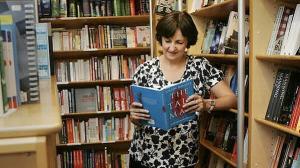
Suzy Wilson, Riverbend Books
Riverbend’s owner, Suzy Wilson, thanked customers for the many kind words that had come their way in the past week. ‘They’ve done much to keep our spirits up,’ she said.
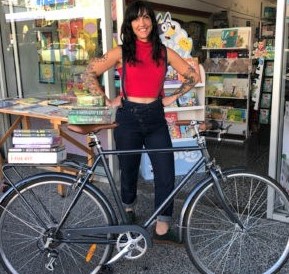
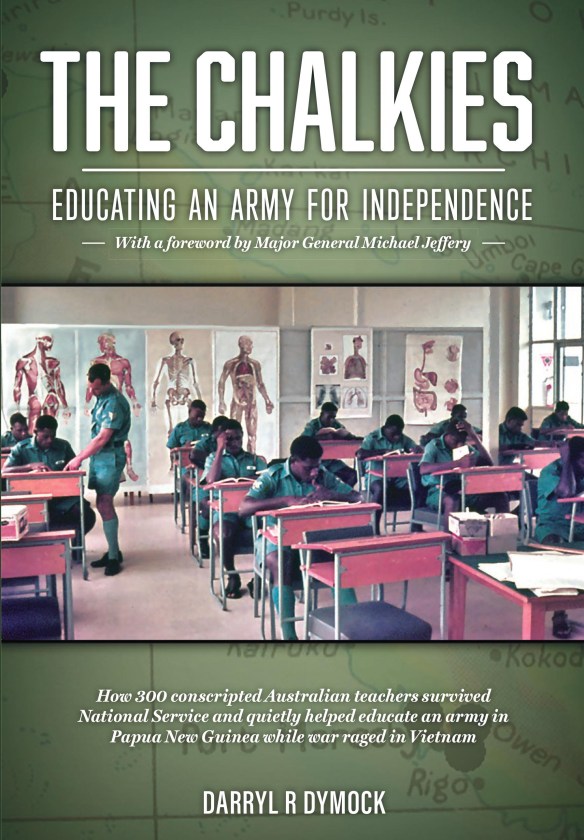
Across town, Avid Reader bookshop, where I launched The Chalkies, has introduced a free local bicycle delivery service for the surrounding area, and promises same day delivery. Apparently it’s keeping Rachel (pictured) fit and happy. Win-win.
Avid Reader’s owner, Fiona Stager, is also encouraging customers to support other small stores in the area. ‘Every purchase at a local small business makes a big difference at the moment,’ she said.
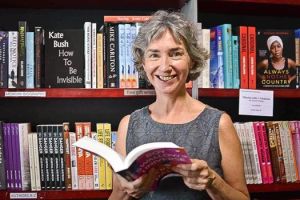
Fiona Stager, Avid Reader
The challenge is of course, to sustain this support. As Ed Nawotka said in the Los Angeles Times on 25 March, the concern is that these responses to local initiatives are just a temporary show of collective goodwill. Let’s hope they’re not.
As I was writing this, on my playlist Ben Lee was singing, very appropriately, ‘We’re all in this together’.
Let’s continue to support each other each other in this weird and uncertain time, and believe that our bookshops will still be going when we come out at the other end.
I certainly hope so, because I’ve no doubt that writers across the world are taking advantage of their enforced isolation to churn out hundreds of thousands of words, and many of them will be looking for a publishing outlet. Let’s hope the publishers survive too.
Until next time
Darryl Dymock
What writers say:
To survive, you must tell stories. ~ Umberto Eco


 did, including a truckie on a highway somewhere. This radio person was an experienced presenter, and not at all combative, and said on air that they were surprised by the responses from listeners.



 England-Australia record.
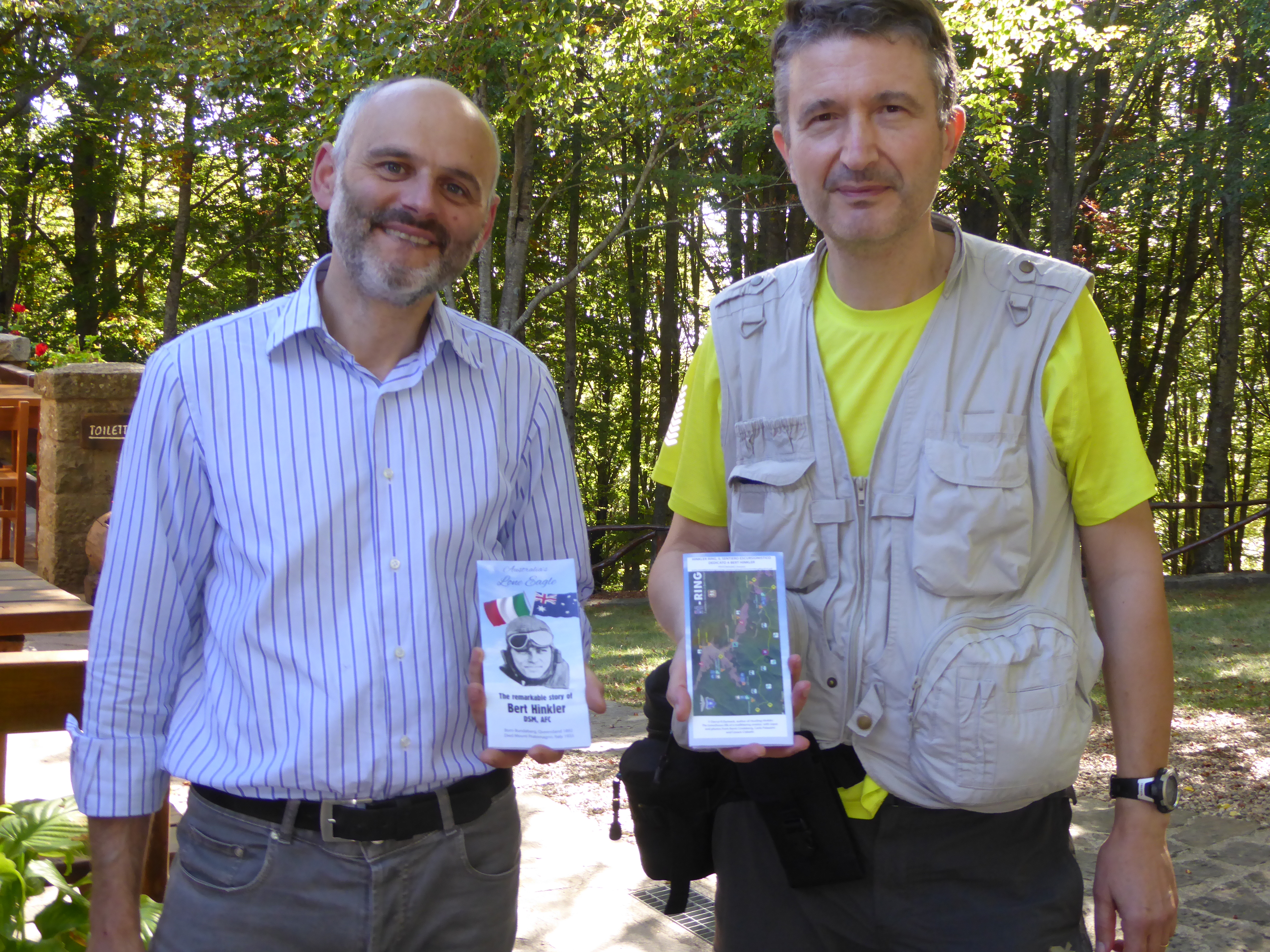
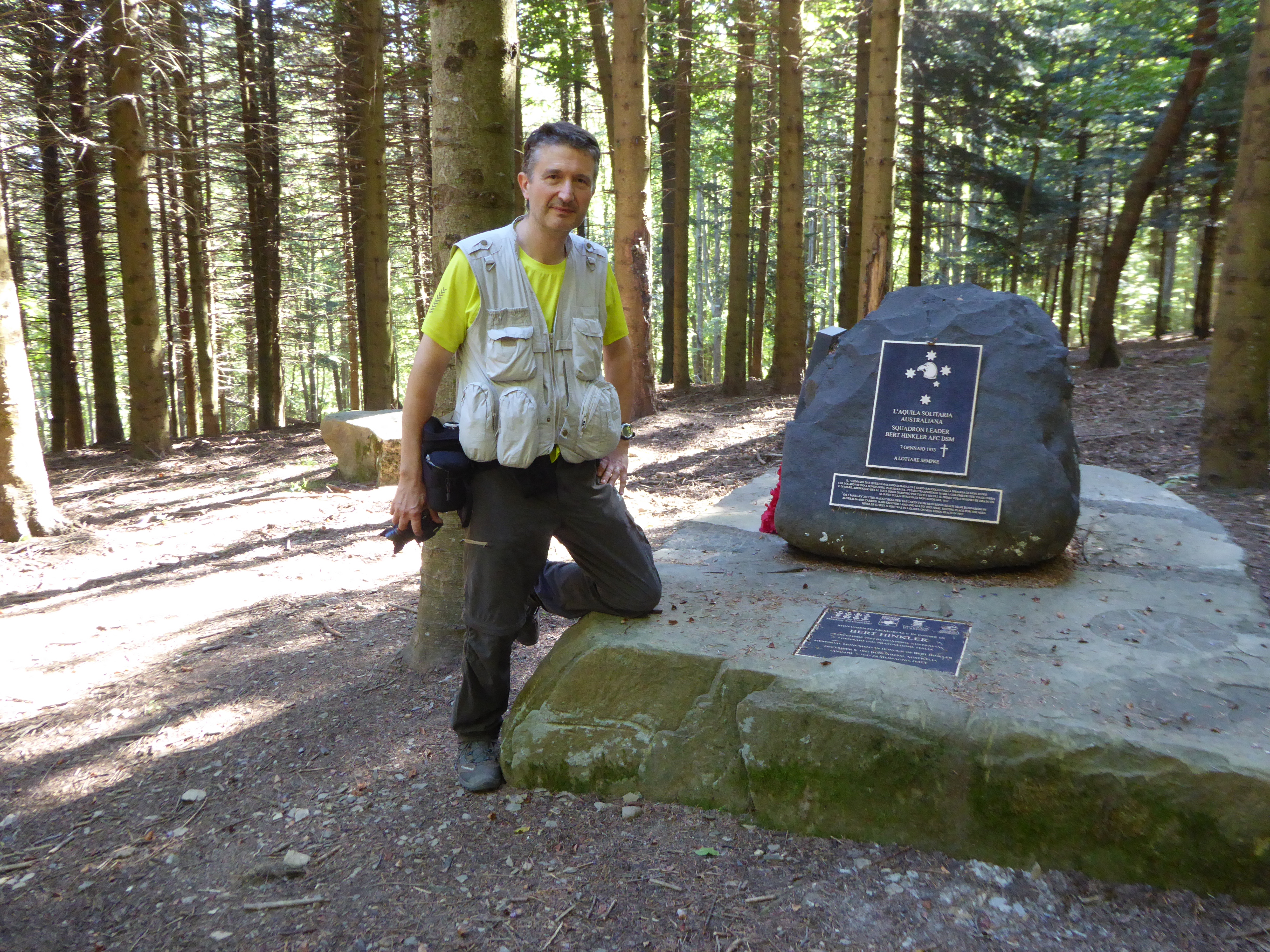


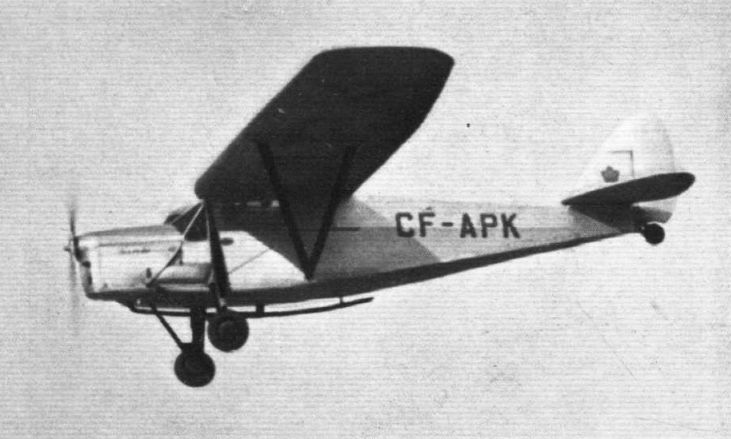


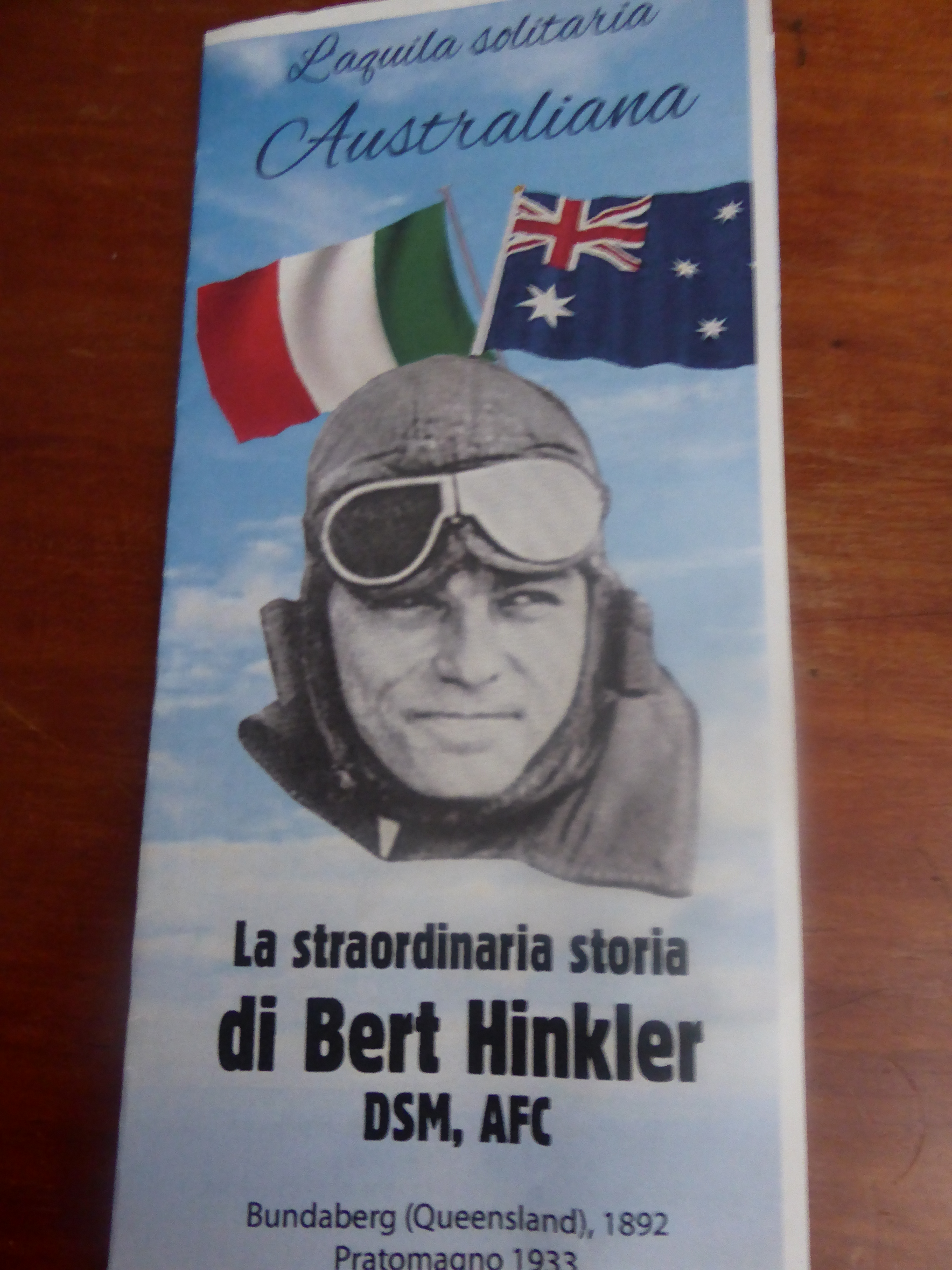
 Australian pioneer aviator, Bert Hinkler, died when his plane crashed on

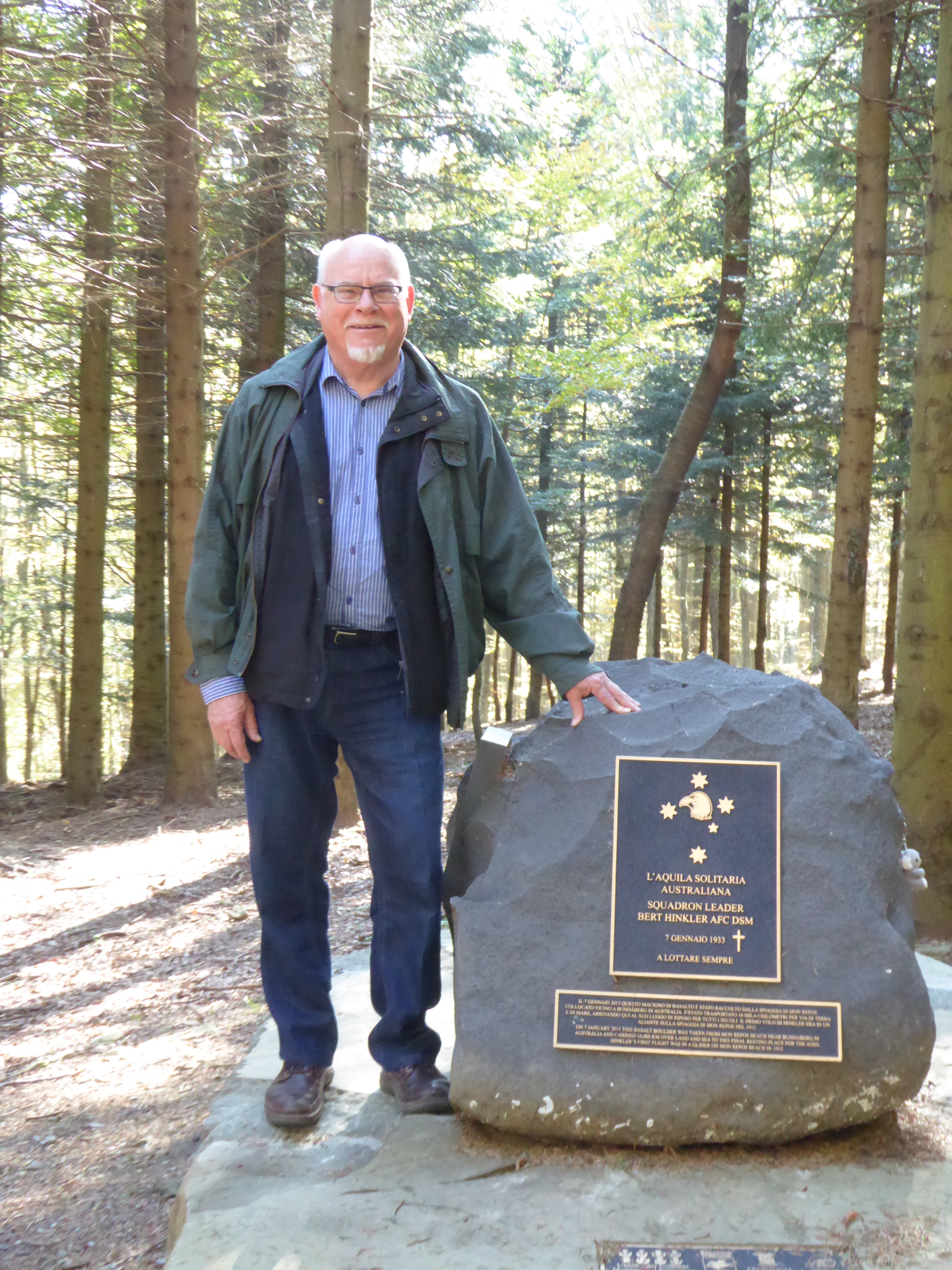

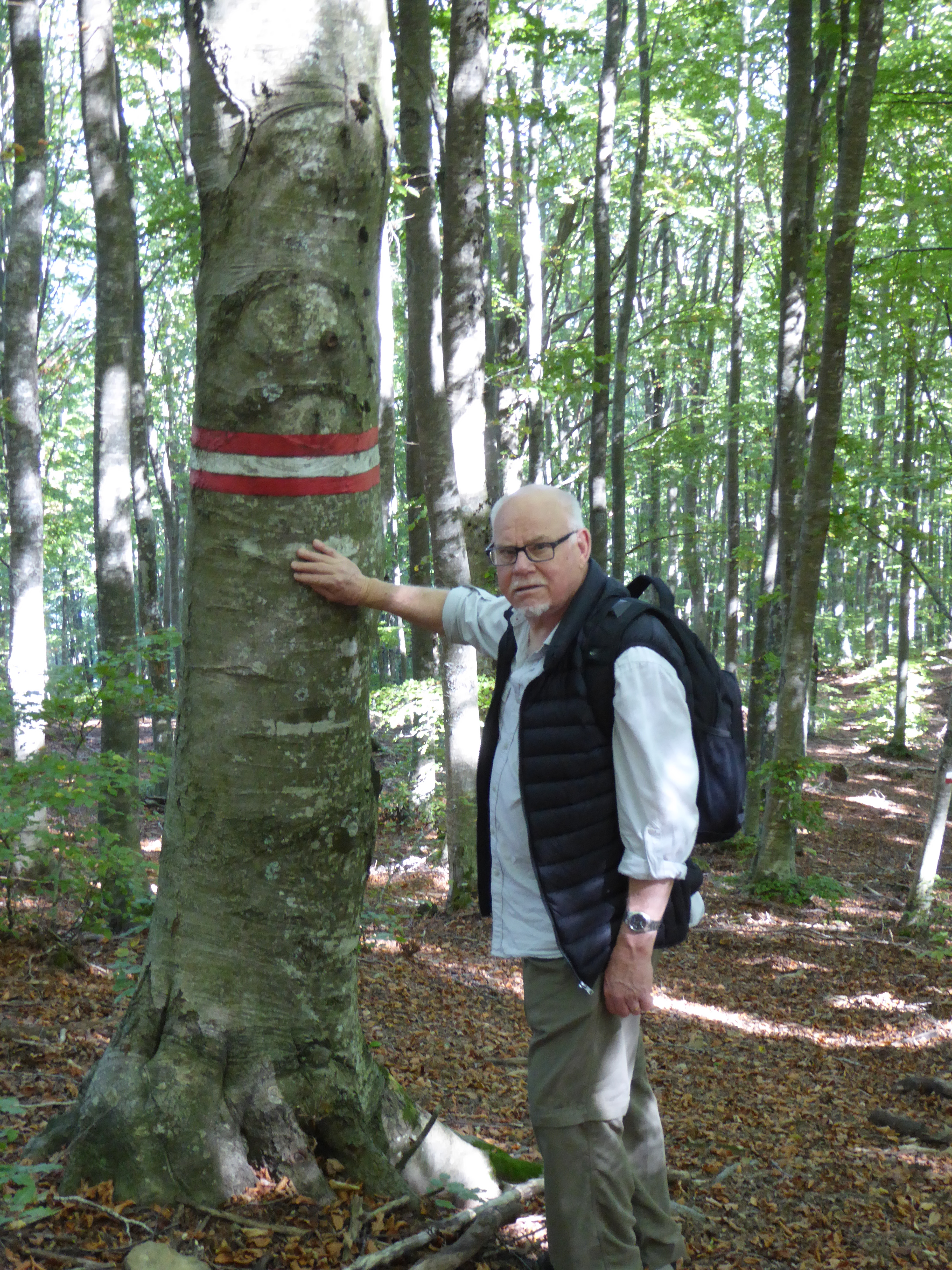
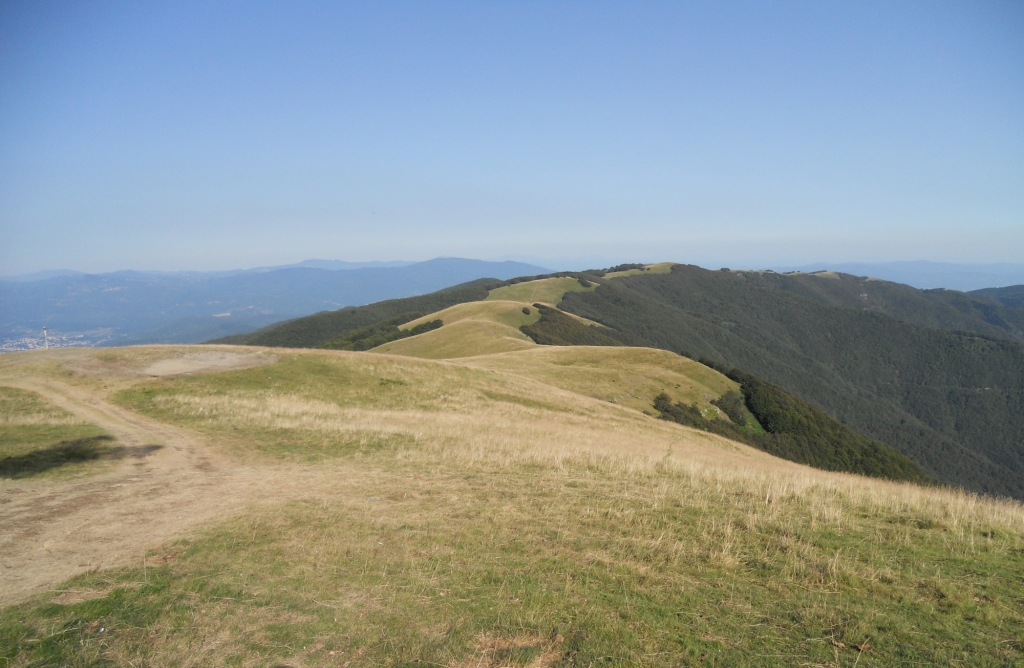
 The Hinkler Ring is an initiative of Carlo Palazzini and his colleagues in the

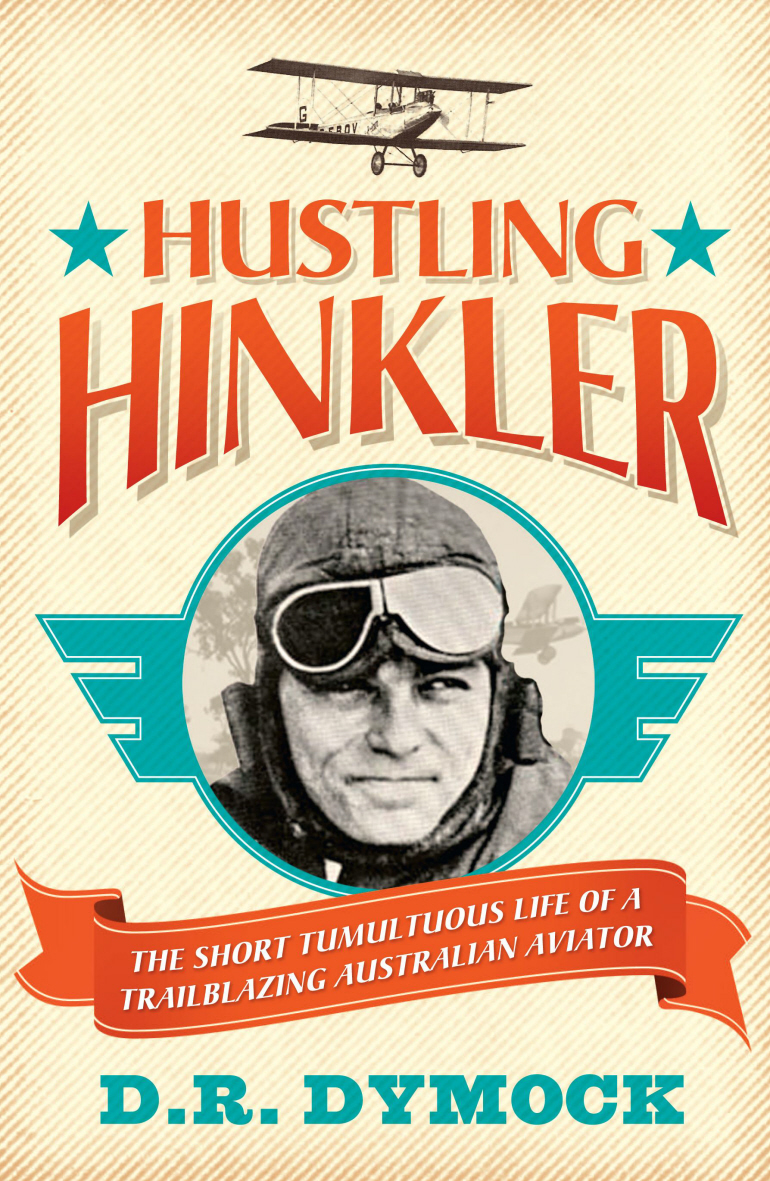 D R Dymock: Hustling Hinkler: The short tumultuous life of a trailblazing aviator (published by Hachette).

 was ‘Alas, poor Yorick. I knew him, Horatio – a fellow of infinite jest, of most excellent fancy.’
 as he did, he would no longer be crazy and would have to fly more missions. Orr would be crazy to fly more missions and sane if he didn’t, but if he was sane he had to fly them. If he flew them he was crazy and didn’t have to; but if he didn’t want to he was sane and had to. Yossarian was moved very deeply by the absolute simplicity of this clause of Catch-22 and let out a respectful whistle.


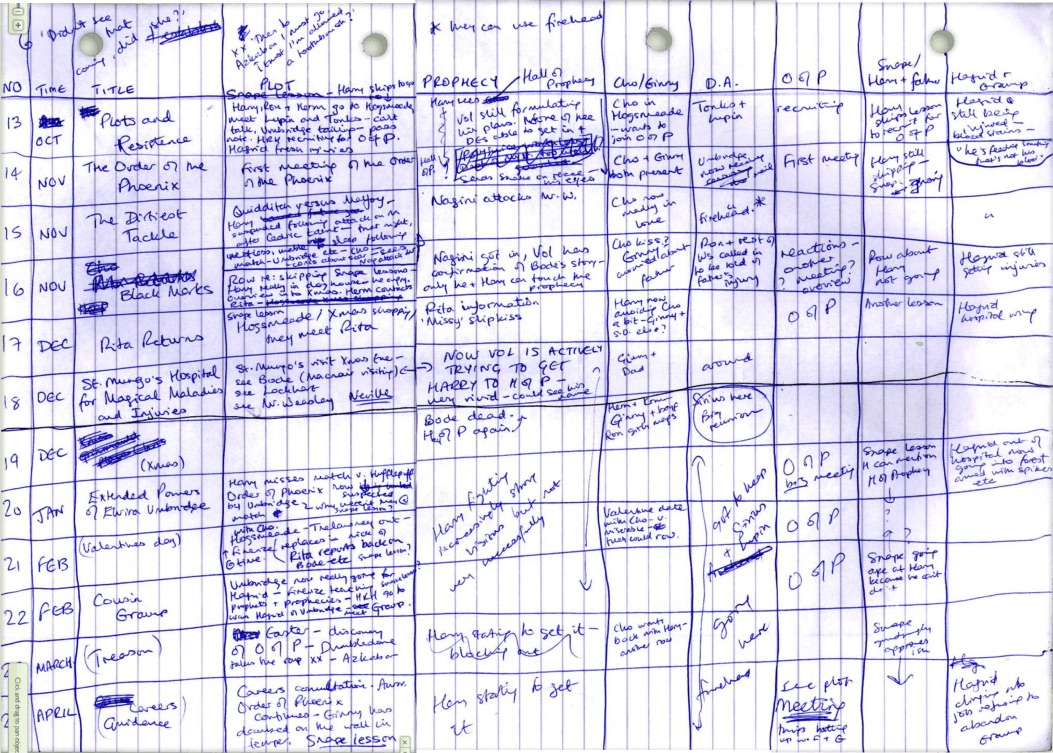
 I understand J K Rowling writes her novels by hand first. I wonder if she feels relief from anxiety, fear and worry when she’s finished? Richer in some way, at any rate 🙂
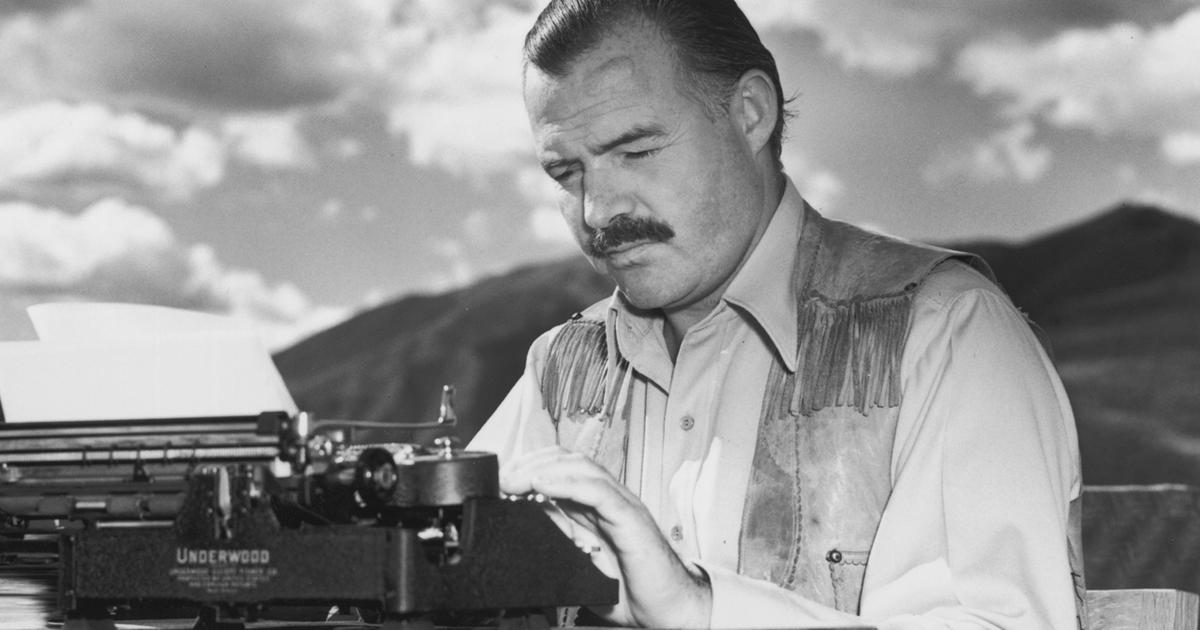 The American novelist Ernest Hemingway (often called ‘Papa’ by those who knew him) once said he wrote thirty different endings to A farewell to arms. He told this to a distinguished Australian journalist and war correspondent, Alan Moorehead, when the two met in Italy in 1949.

 In a recent critique of Hemingway’s writing (Yale University Press, 2015), the Australian-born author and literary critic, Clive James, praised the American’s early novels but suggested that Hemingway’s later work was ‘ruined’. James said that Hemingway, ‘having noticed how the narrative charm of a seemingly objective style would put a gloss on reality automatically, he habitually stood on the accelerator instead of the brake. … He overstated even the understatements.’
 author
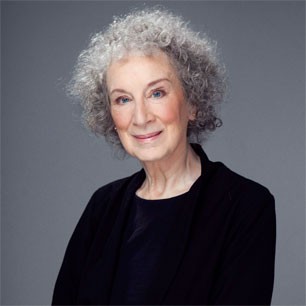 image, scene, or voice. Something fairly small. Sometimes that seed is contained in a poem I’ve already written. The structure or design gets worked out in the course of the writing. I couldn’t write the other way round, with structure first. It would be too much like paint-by-numbers.’
 ‘I’m cursed with not being able to see the good twists and turns of character and plot until I’m in the middle of writing the book. I can have a sense where it’s going, but absolutely nothing comes alive until the words start going down on the page. ~ Romance author Jane Graves.

